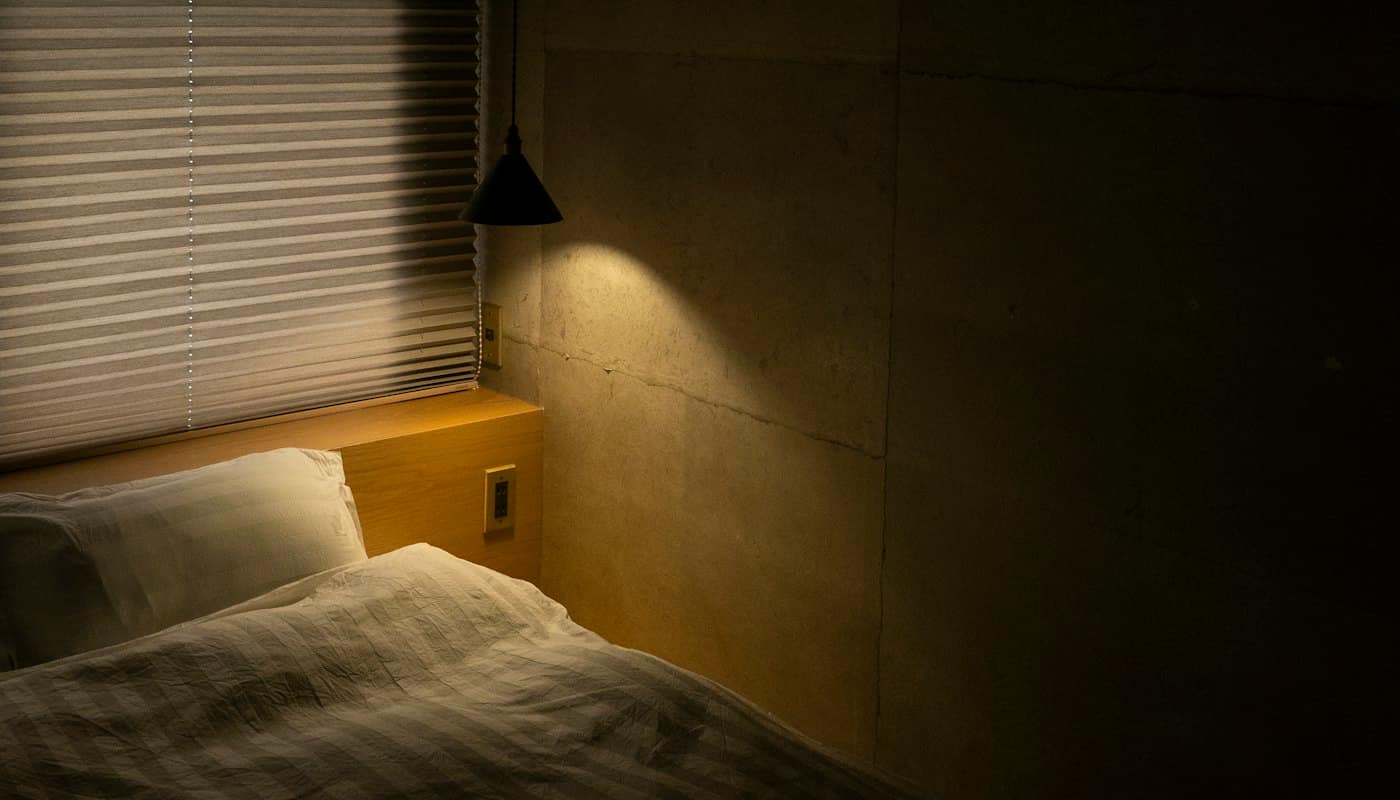
Sleep hygiene is the name for the everyday habits, routines and bedroom conditions that make it easier to fall asleep and stay asleep. It has nothing to do with washing: it is a set of practical, low-cost changes, and this guide explains what they are, how to apply them and when they are not enough.
What is sleep hygiene, in plain terms?
Think of it as setting the stage for sleep. You cannot switch sleep on by willpower, but you can remove the things that get in its way and strengthen the cues that tell your body night has arrived. NHS advice on getting to sleep is built around exactly this: a regular routine, a calming wind-down, a comfortable bedroom, sensible use of caffeine, alcohol and nicotine, and not forcing sleep when it will not come.
The advice is deliberately ordinary. Nothing here needs a gadget or a supplement. The aim is to make good sleep more likely, not to guarantee it, and the habits work best when several are combined and kept up for a few weeks rather than tried for one night.
How does sleep hygiene work?
Sleep is shaped by timing, alertness and worry. Regular hours help your body learn when it is time to sleep, according to the NHS. A calm hour before bed lowers mental and physical arousal. Stimulants such as caffeine and nicotine keep you alert, and alcohol disrupts sleep, even though it can make you feel drowsy at first. Light from screens is described by the NHS as something that can make it harder to fall asleep.
None of these is dramatic alone. Sleep hygiene is about stacking small advantages so that, on an ordinary night, little stands between you and sleep.
The core habits, step by step
Keep regular hours
NHS insomnia advice suggests going to bed only when you feel sleepy and getting up at the same time each day. It also says not to sleep in after a bad night, which can feel unfair but protects the rhythm you are trying to build.
Build a wind-down
The NHS recommends relaxing for at least an hour before bed. Reading, breathing exercises or calming music suit many people. Avoid phones, tablets and computers for an hour before bed.
Park your worries
Talking to someone you trust, or writing worries down, is NHS-suggested. So is listing the next day’s tasks before bed, so they are not circling in your head at midnight.
Make the bedroom suit sleep
Aim for quiet, dark and cool. Earplugs, an eye mask or background sound can help if you cannot control the environment. Our piece on setting up your bedroom for better sleep goes through this in more detail.
What should you avoid before bed?
Different NHS pages give different timings, which is a useful reminder that these are guides, not laws. The table sets them side by side.
| Habit | NHS guidance |
|---|---|
| Alcohol and nicotine | Avoid for 1 to 2 hours before bed (Every Mind Matters page) |
| Smoking, alcohol, tea and coffee | Avoid for at least 6 hours before bed (insomnia page) |
| Exercise | Regular activity helps, but avoid it within 4 hours of bedtime (insomnia page) |
| Screens | Avoid for an hour before bed |
| Large late meals | Best avoided close to bedtime |
If you are sensitive to caffeine, or sleeping badly, the longer window is the safer choice. Our article on caffeine, alcohol and timing in the evening looks at this in depth. A warm milky drink or herbal tea is the NHS-suggested alternative to caffeinated drinks.
What if you are lying awake?
This is where many people go wrong. Staying in bed, watching the clock and trying harder tends to link the bed with frustration. The NHS advice is to avoid forcing sleep: if you are still awake after about 20 minutes, get up, do something relaxing such as gentle yoga, reading or quiet music, and go back to bed when you feel sleepy.
It is a rule of thumb, not a stopwatch, so there is no need to check the time repeatedly. Keep the lighting low and avoid anything stimulating. If waking in the small hours is your pattern, our article on waking up at 3am covers it.
Common mistakes and misconceptions
- Treating it as a checklist to be perfect at. Anxiety about doing sleep hygiene “right” can itself keep you awake. Pick two or three habits and keep them steady.
- Sleeping in to catch up. The NHS advises against sleeping in after a bad night, as it can undermine the regular rhythm that supports sleep.
- Relying on a nightcap. Alcohol may make you drowsy but is listed by the NHS among the substances that can disrupt sleep.
- Napping without thinking. The NHS insomnia page lists daytime naps among things to avoid when sleeping badly. Whether a nap helps depends on length and timing.
- Assuming a pharmacy product is the answer. According to the NHS, pharmacy sleeping aids, some containing valerian, lavender or an antihistamine, may help for 1 to 2 weeks at most, can cause drowsiness, and are best checked with a doctor first.
What varies from person to person?
Sleep hygiene is general advice, and people differ. Some find evening exercise relaxing, while the NHS notes that for others exercising close to bedtime interferes with sleep, so earlier in the day may suit them better. Shift workers, new parents, people with pain, and those with conditions or medicines that affect sleep will find a fixed routine harder to keep. The NHS lists stress, anxiety, depression, noise, a room that is too hot or cold, an uncomfortable bed, jet lag and shift work among common triggers, and also notes that many medical conditions and medicines can cause insomnia. In a busy city, noise and light you cannot control are real constraints, not personal failings.
Needs also differ by age. The NHS gives 7 to 9 hours as the general range for adults, with children and babies needing more.
When is sleep hygiene not enough?
Good habits are the first step, not a cure for every sleep problem. According to the NHS, insomnia lasting under 3 months is short-term, and 3 months or longer is long-term. It advises seeing a GP if changing your habits has not helped, if you have had trouble sleeping for months, or if poor sleep makes daily life hard to manage.
A GP will try to identify the cause and may refer you to a sleep clinic if another sleep disorder, such as sleep apnoea, is suspected. Loud snoring with pauses in breathing, or heavy sleepiness despite a full night, are worth raising; our guide to sleep apnoea signs and diagnosis explains why.
The NHS describes cognitive behavioural therapy (CBT) as an option that helps change the thoughts and behaviours that stop you sleeping, delivered face to face or through an online programme. It says GPs rarely prescribe sleeping pills, and then usually for no more than days or weeks, when insomnia is very severe or other approaches have failed. Never stop a prescribed medicine without speaking to your prescriber.
If you feel low or anxious as well as tired, say so, because the two often go together.
A realistic plan for the next fortnight
- Choose a fixed wake-up time and keep it every day, including weekends.
- Start a one-hour wind-down with screens off.
- Move caffeine earlier, and keep alcohol and nicotine well away from bedtime.
- Note the room: quiet, dark, cool.
- If awake for around 20 minutes, get up and do something calm.
Give it a few weeks, and see a GP if there is no improvement.
This article is general information, not a substitute for advice from a doctor or other qualified health professional. If sleep problems continue, speak to your GP or call NHS 111. If you are struggling emotionally, the Samaritans are available on 116 123.
Sources: NHS