A balanced diet, according to the NHS, means eating a variety of foods in roughly the proportions shown in the Eatwell Guide, with at least 5 portions of fruit and vegetables a day. This article explains what a portion actually is, what counts towards 5 A Day, and where people commonly go wrong.
What is a balanced diet, and where do portions fit in?
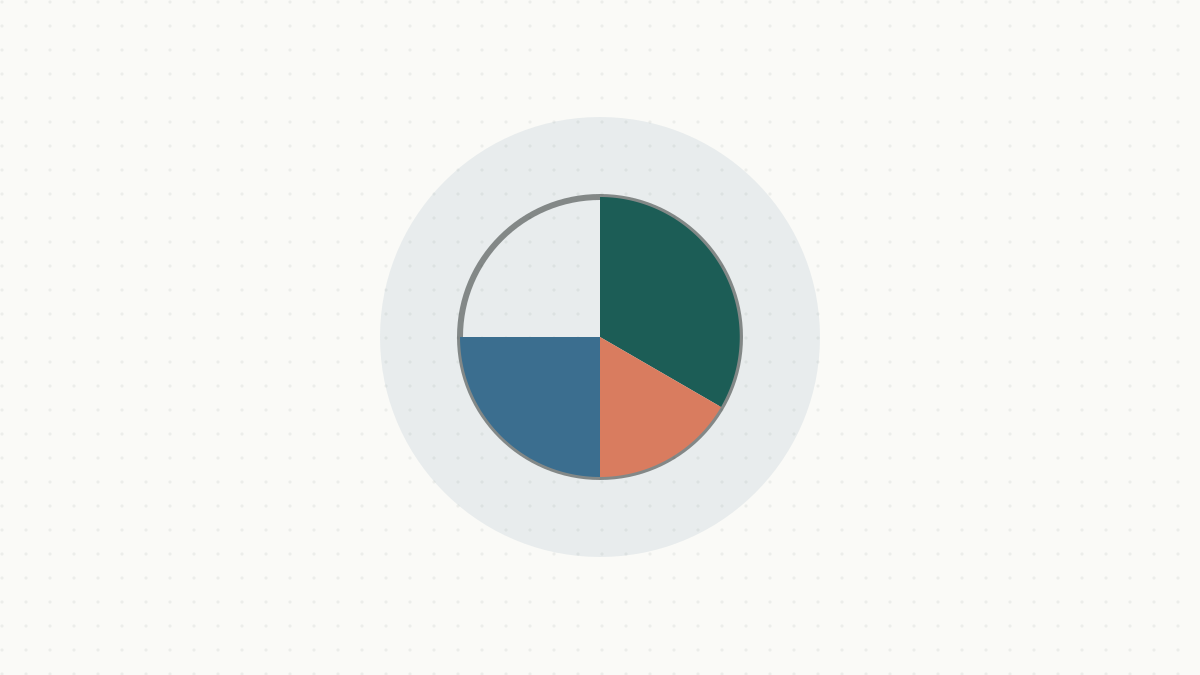
The Eatwell Guide is the UK government’s picture of a healthy, balanced diet. It was first published on 17 March 2016 and, as of its last update on 2 January 2024, is owned by the Office for Health Improvement and Disparities, which took over from Public Health England. It shows how much of what you eat should come from each food group rather than setting rules for individual meals.
According to the NHS, those groups are:
- fruit and vegetables, just over a third of the food you eat
- starchy foods such as potatoes, bread, rice and pasta, also just over a third
- protein foods, including beans, pulses, fish, eggs and meat, in a smaller share
- dairy and alternatives, such as milk, yoghurt and fortified soya drinks, in a smaller share
- oils and spreads, in small amounts
Foods high in fat, salt and sugar, such as chocolate, cakes, biscuits and sugary soft drinks, sit outside the guide, because they are not needed in a healthy diet. For these, the NHS advice is to have them less often and in smaller amounts. For a broader tour of the whole plate, see our overview of what a balanced everyday diet looks like.
Proportions are useful, but they do not tell you how much to put on the plate. For fruit and vegetables, the portion gives you a measurable target.
How big is one portion of fruit or veg?
For adults, the NHS gives one portion as 80g, and says adults should eat at least 5 portions of a variety of fruit and vegetables each day. Most people do not weigh their food, so the NHS also gives everyday equivalents.
| Food | What counts as one portion (NHS) |
|---|---|
| Medium fruit | 1 apple, banana, pear, orange or nectarine |
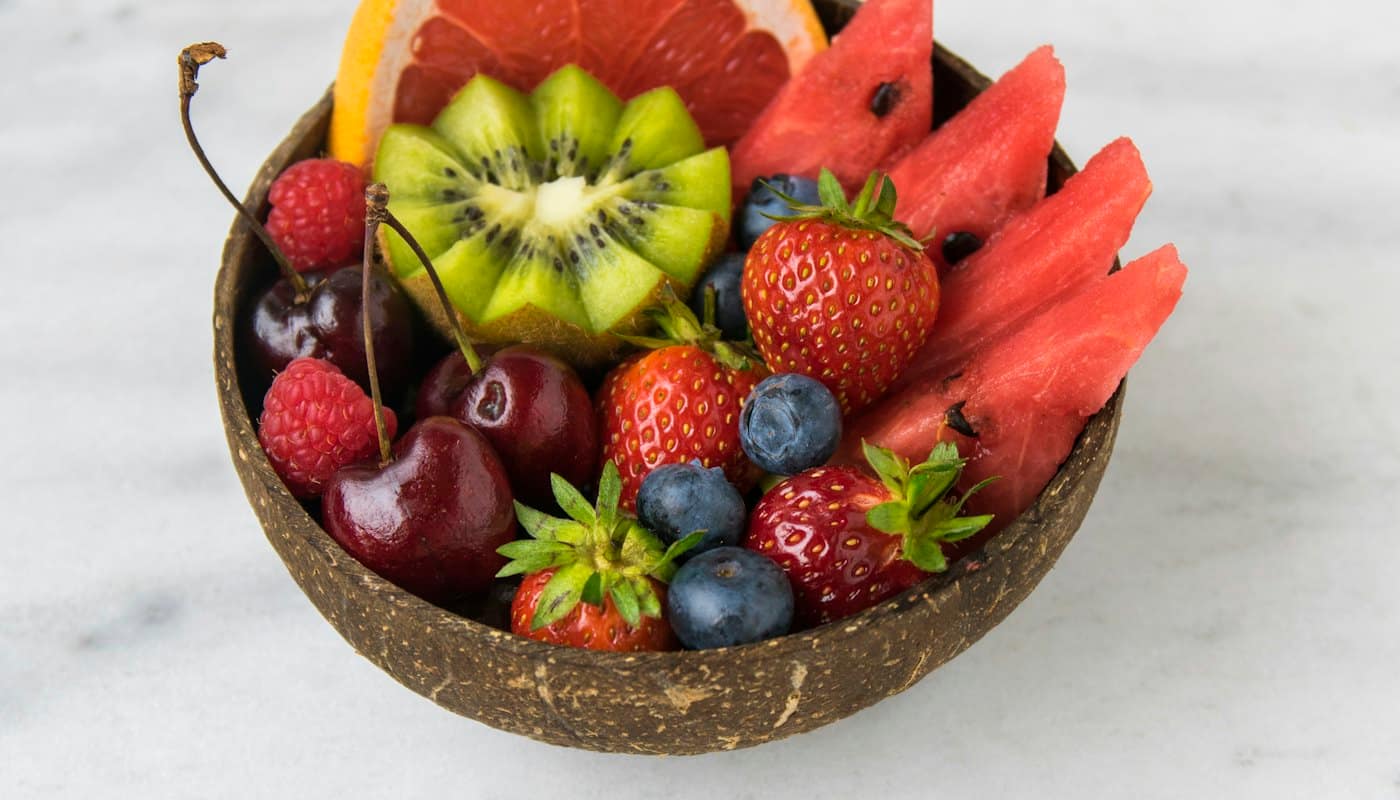
| Small fruit | 2 plums, 2 satsumas, 2 kiwi fruit, or 7 strawberries |
| Large fruit | Half a grapefruit, or 1 large slice of pineapple |
| Dried fruit | About 30g, such as 1 heaped tablespoon of raisins or 2 figs |
| Green vegetables | 2 broccoli spears, or 2 heaped tablespoons of cooked spinach |
| Cooked vegetables | 3 heaped tablespoons of carrots, peas or sweetcorn |
| Salad vegetables | 7 cherry tomatoes, or a 5cm piece of cucumber |
| Beans and pulses | 3 heaped tablespoons of kidney beans, chickpeas or similar |
| Fruit juice or smoothie | 150ml, about a small glass |
Fresh, frozen, tinned and dried produce all count. For tinned fruit and vegetables, the NHS suggests choosing those packed in natural juice or water, with no added sugar or salt.
For children, the NHS says the right amount varies with age, body size and activity. As a rough guide, one portion is what they can fit in the palm of their hand.
What counts towards 5 A Day, and what does not?
This is where most confusion arises. The NHS lists several rules that surprise people.
What counts
- Fruit and vegetables in soups, stews and pasta dishes.
- Fruit and vegetables in ready meals, shop-bought sauces and puddings, although many of these are high in salt, sugar or fat, so the NHS suggests having them occasionally and checking the label.
- Sweet potatoes, parsnips, swedes and turnips, which count because they are usually eaten alongside a starchy food.
What does not count
- Potatoes. The NHS classes them as a starchy food, usually eaten in place of bread, rice or pasta. They still provide energy, fibre, B vitamins and potassium, and the NHS advises eating them without added salt or fat and keeping the skins on.
- Yams, cassava and plantain, for the same reason.
- “Juice drinks”, which the NHS says are unlikely to count and can be high in sugar.
This does not make potatoes a poor choice. It simply places them in the starchy group, where they sit alongside wholegrain bread, brown rice and wholewheat pasta.
Why do beans and juice only count once a day?
Two items have a daily cap, however much you eat.
- Pulses and beans count as a maximum of one portion a day. Lentils, chickpeas, kidney beans, soya beans and butter beans all count, but green beans do not belong in this category.
- Fruit juice, vegetable juice and smoothies also count as a maximum of one portion a day. The NHS says combined intake of these drinks should not exceed 150ml a day.
The reason for the juice limit, according to the NHS, is that juicing or blending releases sugars that can damage teeth. The advice is to drink them with meals rather than sipping between them. The same logic applies to dried fruit, which is high in sugar and best eaten as part of a meal, such as dessert, rather than as a between-meal snack. If you want to understand why sugars attract so much attention, our guide to free sugars and where they hide explains the UK limits.
A worked example: five portions in an ordinary day
Reaching five does not require anything exotic. Here is illustrative arithmetic using the NHS portion sizes above.
| Meal | Fruit and veg | Portions |
|---|---|---|
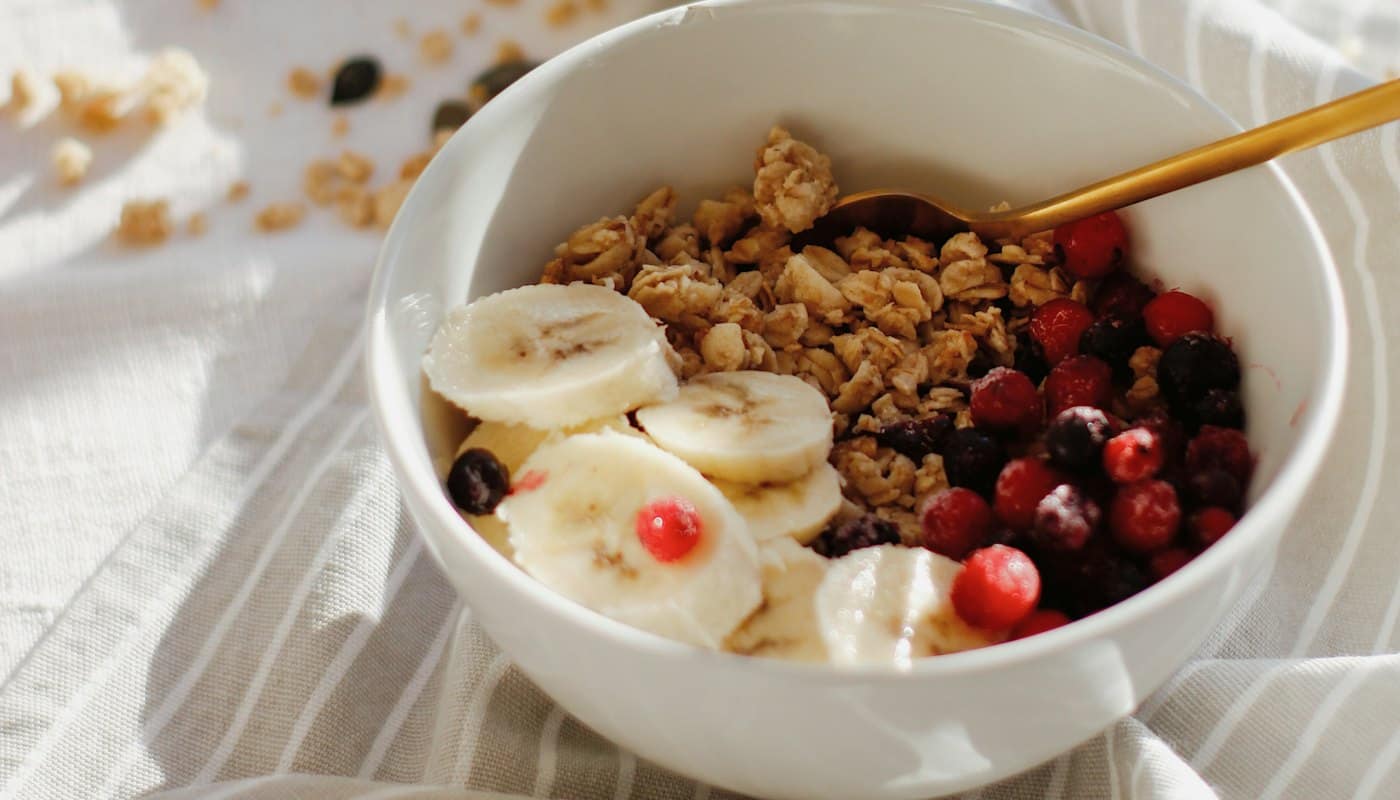
| Breakfast | 1 medium banana on porridge | 1 |
| Lunch | 3 heaped tablespoons of chickpeas in a wrap, plus 7 cherry tomatoes | 2 |
| Dinner | 2 broccoli spears and 3 heaped tablespoons of carrots | 2 |
| Total | 5 |
At 80g per portion, five portions comes to 5 × 80g = 400g of fruit and vegetables across the day. The chickpeas count once, because pulses are capped at one portion daily, and the same day could include a small glass of juice with a meal, though it would add no more than one extra portion.
A day made up of a potato-based dinner, a large glass of juice and a handful of dried fruit would look like plenty of fruit and veg on paper but, under the NHS rules, would deliver far fewer than five.
Common mistakes and misconceptions
“Five a day is a ceiling.” The NHS describes five as “at least”, not a target to stop at.
“Smoothies are a free pass.” They count once, and only up to 150ml combined with any juice.
“Fresh is better than frozen or tinned.” The NHS counts all forms. Frozen and tinned produce can make eating enough easier and cheaper, provided you avoid added sugar and salt.
“Every meal must match the plate.” The NHS says the balance is meant across a day or week, not at every meal.
“The guide fits everybody.” It does not. According to the NHS, the Eatwell Guide applies to most people, whether they are a healthy weight or overweight, eat meat or are vegetarian, and regardless of ethnic origin. Children under 2 are excluded because their nutritional needs differ, and from age 2 children should eat the same foods as the rest of the family in the proportions shown. People with special dietary requirements or medical needs should speak to a registered dietitian before adapting it.
What changes from person to person?
Portions of fruit and vegetables are set at 80g for adults, but your overall energy needs vary. The NHS gives guideline figures of around 2,000 calories a day for women and around 2,500 for men, and notes that individual needs depend on factors such as activity level. Fluids are part of the picture too, and the NHS suggests 6 to 8 cups or glasses a day, as covered in our piece on how much you should drink.
Fibre is another reason to care about how you meet your portions. Wholegrain starchy foods, pulses and vegetables with their skins on all contribute, and our guide to reaching 30g of fibre shows how the pieces add up.
When to speak to a GP or NHS 111
Everyday eating guidance is not a treatment plan. Speak to your GP or a registered dietitian if you have diabetes, coeliac disease, kidney disease or another condition that affects what you should eat, if you are pregnant or breastfeeding, or if you are considering a major change to how you eat. Contact your GP if you have unexplained weight loss, a persistent change in appetite, or trouble swallowing. If you feel unwell and are unsure where to turn, NHS 111 can advise.
A practical way to think about portions
A balanced diet is a pattern, not a perfect plate: a good share of fruit and vegetables, starchy foods in similar proportion, smaller amounts of protein and dairy, and less of what sits outside the guide. Knowing what counts as 80g, which items are capped, and which do not count at all turns “eat more fruit and veg” into something you can check against a day’s eating without a set of scales.
This article is general information, not a substitute for advice from a doctor or other qualified health professional. If you have a health condition or concerns about your diet, speak to your GP or call NHS 111.
Sources: NHS; Office for Health Improvement and Disparities